

Blog
How To Remove Acrylic Paint From Pottery?


By Mohsin Zaheer, Made In Pak. Last updated 4 November 2026.
Quick answer: to remove dried acrylic paint from pottery, soak the piece in warm soapy water for 30 minutes, then scrub gently with a soft sponge. If paint remains, rub it with a cloth dampened with rubbing alcohol, and use acetone only on stubborn patches after testing a hidden spot. Rinse well and dry the piece.
How to remove acrylic paint from pottery in 4 steps
- Soak the pottery in warm water with a few drops of dish soap for about 30 minutes.
- Scrub gently with a soft sponge or cloth to loosen the softened paint.
- Dab on rubbing alcohol with a cloth for any paint that is left, rub lightly, then rinse in cold water.
- Try acetone as a last resort on glazed pieces only, after a test on a hidden spot, then rinse and dry.
Acrylic paint dries fast and turns water resistant, so a spill or an unwanted design on pottery, or on blue pottery Multan, needs the right method. Whether you are redoing a design, tidying up after a craft session or restoring an old piece, the steps below protect the surface. After the pottery methods you will find advice for glass, wood, clothing, skin and brushes.
Handmade glazed pottery: Multani blue pottery is painted and then glazed and fired, so the original design sits under a hard glaze. Gentle cleaning should not harm it, but test a hidden spot first and avoid harsh scrubbing.
What is Acrylic Paint?
Acrylic paint is a water based paint made from pigment suspended in an acrylic polymer emulsion. It dries quickly and becomes water resistant once dry, which is why artists like it and also why dried paint is so hard to clean off. You can dilute and wash it away while it is wet, but not every acrylic paint is fully washable once it has set.
Why is Acrylic Paint Hard to Remove?
Once acrylic paint dries, it forms a strong bond with the surface it’s applied to. This is particularly problematic with porous materials like ceramics, where the paint can seep into tiny crevices and effectively become “locked” into the surface. The paint’s durability and abrasion resistance make it resistant to standard cleaning methods like soap and water. Simply scrubbing often yields little to no results, as most paint remains firmly in place.
Before starting the removal process, it is essential to assess the situation. Determine the extent of the paint coverage and the type of ceramic piece you are dealing with. Is it a glazed piece or unglazed pottery? Understanding these factors will guide you in selecting the most effective removal technique. For stubborn paint, solvents like rubbing alcohol or acetone may be necessary, but always test a small, inconspicuous area first to avoid damaging the finish.
How to Remove Acrylic Paint from Pottery? From Easy to Tough Stains
Method 1: Soaking in Warm Water
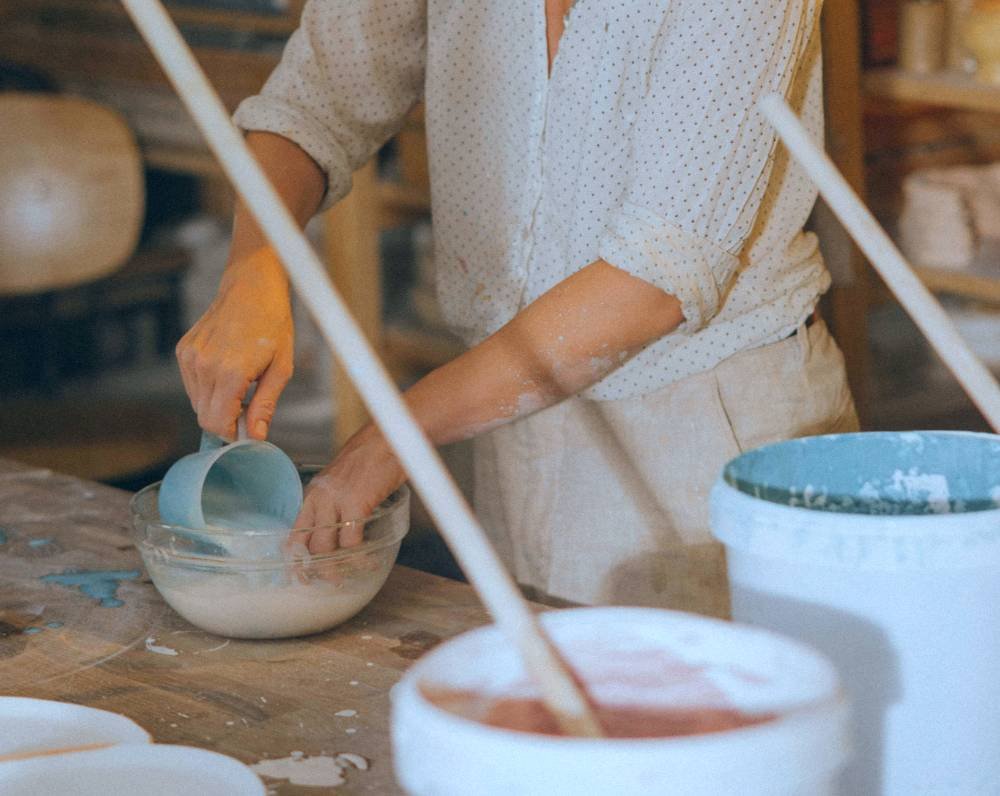
One of the simplest methods to start with is soaking the pottery in warm, soapy water. Follow these steps:
- Prepare the Soak: Fill a basin or sink with warm water and add a few drops of dish soap.
- Soak: Submerge the painted area in the soapy water and let it soak for about 30 minutes. This can help to loosen the paint without damaging the pottery.
- Scrub: After soaking, use a soft sponge or cloth to scrub gently. Be cautious not to scratch the surface.
Method 2: Rubbing Alcohol or Isopropyl Alcohol
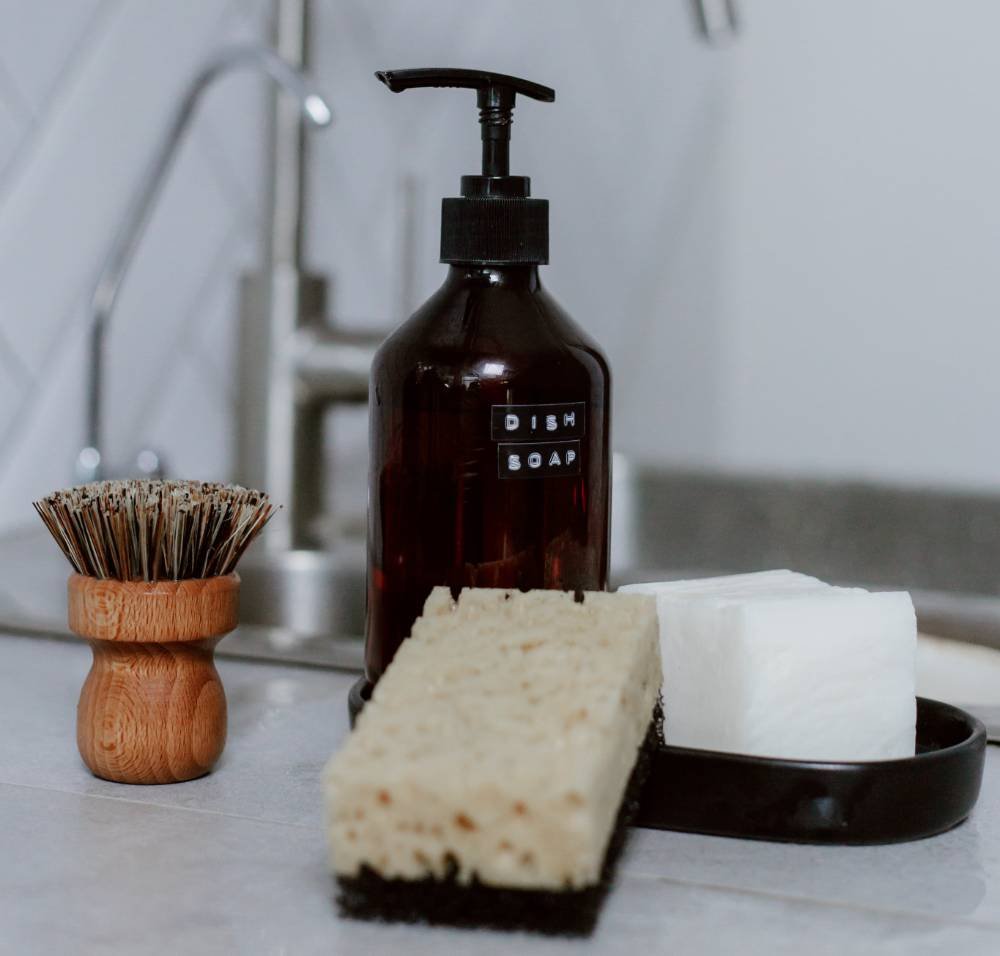
If soaking doesn’t work, rubbing alcohol can be an effective alternative:
- Apply Alcohol: Dampen a cloth with rubbing alcohol and gently rub the painted area. The alcohol can help to break down the paint’s bond.
- Scrub: Use a soft brush or cloth to scrub the area. You may need to repeat this process several times for stubborn spots.
- Rinse: Once the paint starts to lift, rinse the piece thoroughly with cold water. If any stains remain, soak it in warm water for a few hours to help remove the residue. Adding a small amount of dish soap can further enhance the cleaning process.
Method 3: Acetone or Nail Polish Remover
If rubbing alcohol isn’t effective, acetone can be a stronger alternative for removing stubborn paint. Use with caution, as it may damage certain finishes.
- Apply Acetone: Dampen a cotton pad or cloth with acetone or non-acetone nail polish remover. Gently press it onto the painted area and let it sit for a minute or two.
- Scrub: Gently rub the area with a cotton pad or cloth. Repeat this process as needed for tougher spots.
- Rinse: Once the paint begins to lift, rinse the piece thoroughly with cold water and dry.
Note: Always test on a small, hidden area first to make sure the acetone doesn’t damage the pottery’s finish. Wear gloves to protect your skin.
Method 4: Commercial Paint Stripper
For more significant challenges, consider using a commercial paint stripper designed specifically for acrylic paint:
- Choose the Right Product: Look for a paint stripper that is safe for use on ceramics. Always read the label to ensure compatibility.
- Application: Apply the paint stripper according to the manufacturer’s instructions, usually using a brush for even coverage.
- Wait: Allow the product to sit for the recommended time; this can range from a few minutes to several hours, depending on the product.
- Scrub Off: Use a soft brush to scrub away the paint, followed by rinsing with water.
Method 5: Sanding (Last Resort)
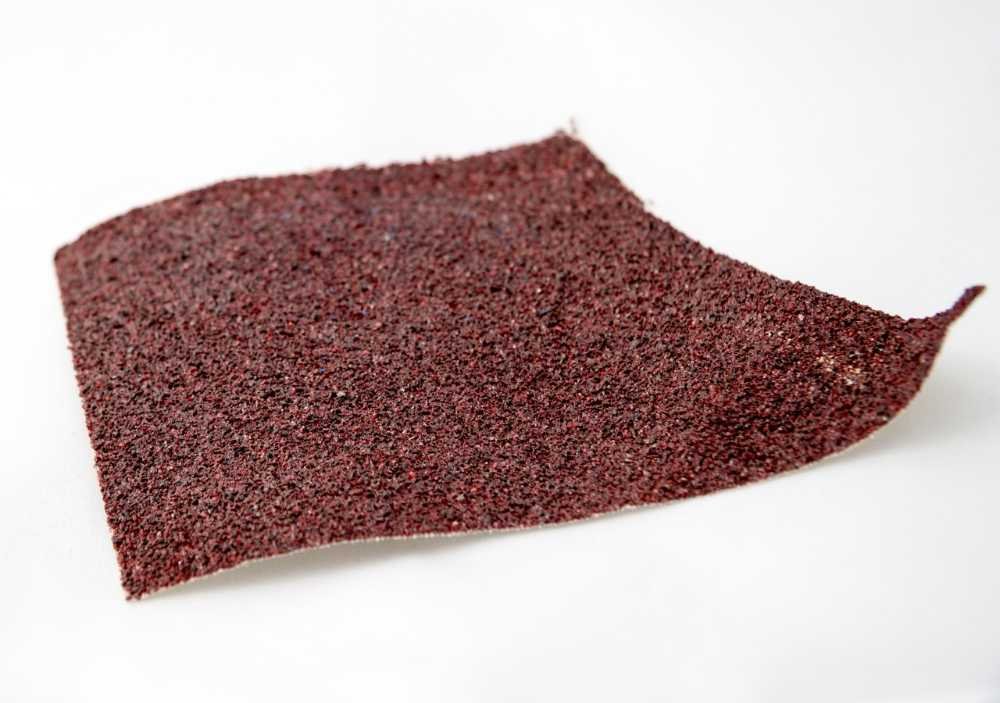
If the previous methods fail, sanding may be necessary, especially for unglazed pottery:
- Select Sandpaper: Use fine-grit sandpaper to avoid damaging the surface too much.
- Lightly Sand: Gently sand the painted areas. Be cautious, as too much pressure can damage the pottery.
- Clean Up: Once the paint is removed, clean the surface with a damp cloth to remove any dust.
Preventing Future Paint Residue
Knowing how to remove acrylic paint is helpful, but prevention is always better than cure. Here are a few tips:
- Use a Sealer: Apply a clear acrylic sealer over your pottery before painting. This creates a protective barrier that makes future clean-up easier.
- Work Carefully: Take your time during the painting process to avoid spills and splatters on unintended areas.
- Choose the Right Type of Paint: If you’re working on items that may need to be cleaned later, consider using paints that are easier to remove.
Removing Dried Acrylic Paint from Wood and Ceramic Surfaces
Accidents can happen while painting, leading to spills on wood floors, tables, or ceramic surfaces. To avoid such mishaps, it’s best to protect your workspace by laying down fabric or plastic sheets. If possible, roll back any carpets in the area to prevent them from getting stained.
However, if a spill does occur, here’s a step-by-step guide to effectively remove dried acrylic paint from wood or ceramic surfaces.
1. Scrape the Dried Paint
Start by using a plastic scraper, spatula, or an old credit card to gently lift the dried paint off the surface. Be cautious and patient while scraping to avoid damaging the wood or ceramic. This step is especially crucial for delicate wood floors or parquet surfaces where scratches can occur easily. Focus on removing just the thin, hardened layer of paint.
2. Apply a Solvent
Once you’ve scraped off as much paint as possible, dampen a cloth with acetone or rubbing alcohol. Gently wipe the remaining paint stains until they start to dissolve. Take care not to oversaturate the wood, as excessive moisture can cause damage. For ceramic surfaces, you can apply a bit more pressure while wiping.
3. Final Cleaning
After removing the paint with the solvent, use a dry cotton cloth to wipe the area clean. To ensure the surface is completely free of residue, spray a bit of glass cleaner and give it a final polish. This helps restore the shine to wood surfaces and ensures ceramics are spotless.
4. Stronger Products (If Necessary)
If scraping and gentle solvents do not remove the paint, use a commercial paint stripper that is made for the surface and follow the label. Wear gloves and eye protection and keep the room well ventilated. We do not recommend methylene chloride (dichloromethane) for home use, because it is a hazardous solvent that is restricted for consumer use in many countries.
By following these steps carefully, you can successfully remove dried acrylic paint from wood and ceramic surfaces without causing damage.
Removing Acrylic Paint from Glass Surfaces
Glass surfaces are polished and non-absorbent, making it relatively easy to remove acrylic paint. However, caution is needed to avoid scratches or damage.
1. Wet the Surface
Thoroughly dampen the glass with water or glass cleaner to loosen the dried paint. Using a sponge can help with this process.
2. Wipe with a Cloth
Gently rub the paint with a rough cloth to lift it off. If this doesn’t work, proceed to the next step.
3. Scrape Carefully
Use a plastic scraper, razor blade, or iron spatula to remove the paint. Apply gentle pressure and scrape patiently to avoid scratching the glass.
4. Use Vinegar or Acetone
To reduce the risk of scratches, wet the paint stain with vinegar or acetone before scraping. This helps soften the paint and minimizes the pressure needed.
5. Check Regularly
Inspect the glass frequently during the process to ensure no scratches are forming. If you notice any, stop and adjust your technique to avoid further damage.
Removing Acrylic Paint from Clothing
Removing acrylic paint from clothing requires care, especially since dried paint becomes permanent. Here’s how to tackle it:
1. Act Quickly for Wet Paint
If the paint is still wet, rinse the area immediately under running water. Use soap and water to wash the stain thoroughly. Acting fast makes removal much easier.
2. For Dried Paint
If the paint has dried, try using rubbing alcohol. First, test it on a hidden area to ensure it doesn’t damage the fabric color. Then, pour a small amount of rubbing alcohol onto the stain and gently scrub with an old toothbrush to loosen the paint.
Removing Acrylic Paint from the Skin
Since acrylic paints are water-based, removing them from your skin is simple with warm water and soap. For best results, wet your hands first.
1. Warm Water and Soap Method
Soak your hands in warm water for a few minutes to loosen the paint. This helps weaken the bond between the paint and your skin. After soaking, wash your hands with soap and warm water to remove the remaining paint.
2. Baby Oil Method
You can also apply baby oil to the paint stain and let it sit for a few minutes. The oil helps break down the paint. Afterward, scrub gently with a washcloth, then wash your hands with warm water and soap.
How to Remove Acrylic Paint from Brushes
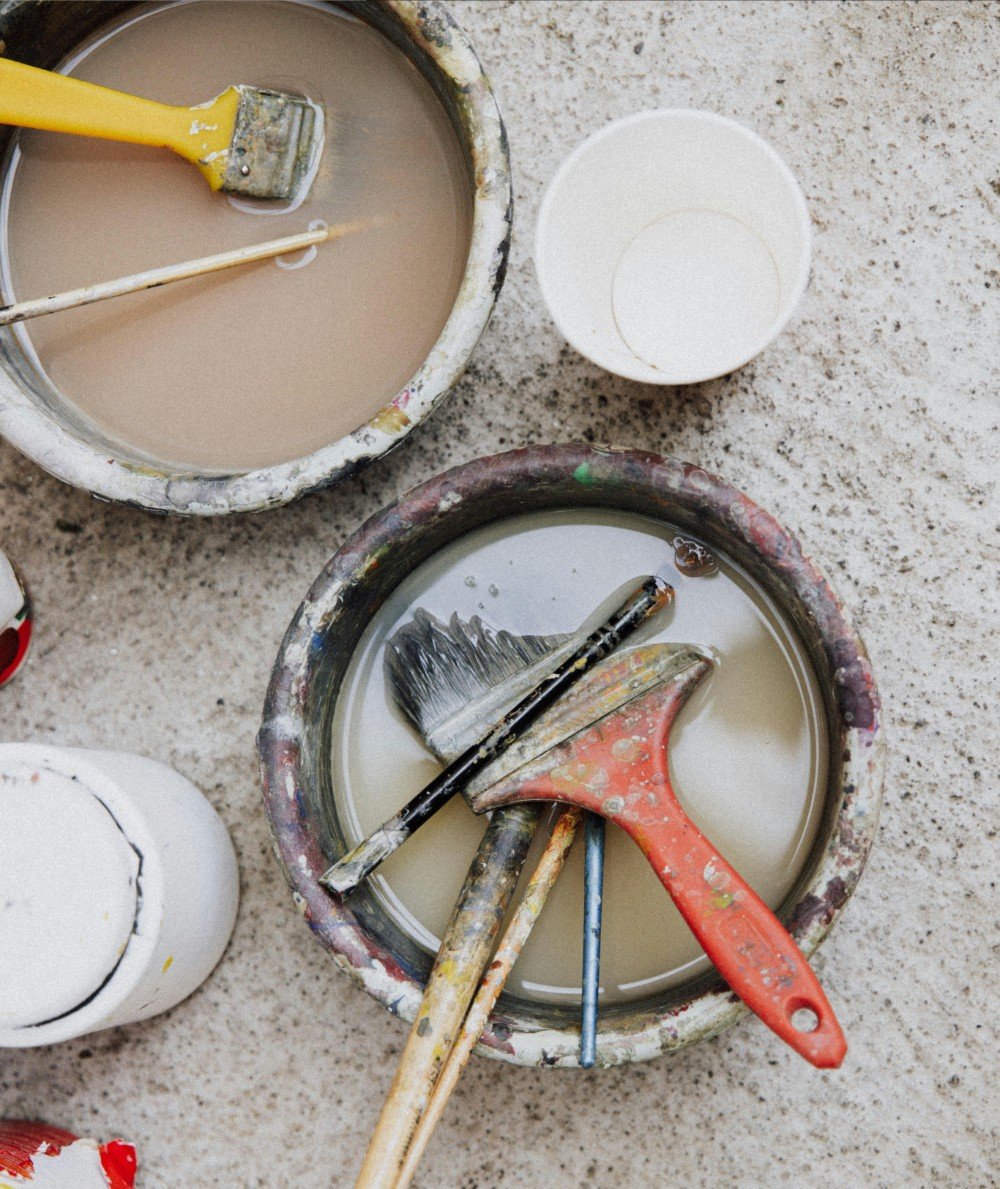
1. Rinse Off Excess Paint: Start by rinsing brushes or rollers under warm running water to remove as much paint as possible.
2. Soak in Fabric Softener Solution: Fill a container (size based on the brush) with warm water and add fabric softener. The softener helps dissolve the paint. Soak the brush for 30 seconds, then gently shake it to loosen the paint.
3. Extended Soak: Replace the solution and soak the brush for an hour.
4. Final Rinse: Rinse thoroughly under warm water until clean. If paint remains, repeat the steps.
Conclusion
Acrylic paint, while versatile and durable, can be challenging to remove once dried. Whether dealing with wood, ceramic, glass, fabric, skin, or brushes, the key is to act quickly when possible and use the right techniques and tools. From warm water and soap to stronger solvents like rubbing alcohol or acetone, each surface requires a specific approach to prevent damage. By understanding the properties of acrylic paint and following careful removal methods, you can maintain the integrity of your materials and keep your tools in top condition.
Handmade pottery from Made In Pak
If you enjoy working with pottery, take a look at the finished craft. Browse our handmade Pakistani pottery, including ceramic mugs, vases and tea sets. You can also read how blue pottery from Multan is made, step by step.
Frequently asked questions
Does vinegar remove dried acrylic paint from ceramic?
Warm white vinegar can soften thin layers of acrylic on glass and glazed ceramic, but it works slowly. Rubbing alcohol is usually faster. Test a small hidden area first.
Will acetone damage glazed pottery?
A fully fired glaze usually tolerates acetone, but decoration applied on top of the glaze, such as gold lustre or cold painted designs, can dull or lift. Test a hidden spot before you start.
Can I remove acrylic paint from unglazed pottery?
It is harder, because unglazed clay is porous and the paint soaks in. Try soaking and gentle scrubbing first, and use fine sandpaper lightly as a last resort.
Is acrylic paint safe to use on mugs and plates?
Most acrylic paints are not made for contact with food or drink. Keep paint away from the inside and rim of mugs and plates unless the label says it is food safe.
How do I stop acrylic paint sticking to pottery in future?
Seal the pottery with a clear acrylic sealer before you paint, and wipe up spills with a damp cloth before they dry.